
Exteriors
The best siding for Pacific Northwest rain
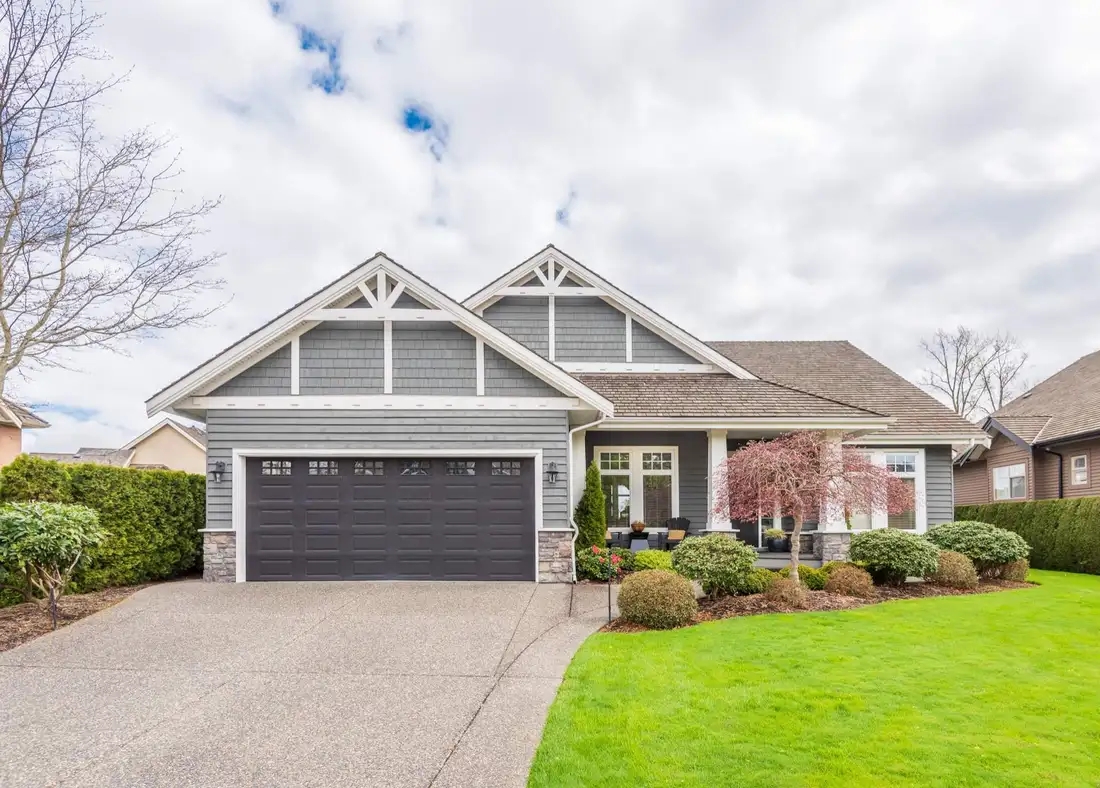
Siding is a rain decision here
In Phoenix, siding is a style decision. In Clark County, where the wet season runs October through May, siding is the armor between forty-plus inches of annual rain and your framing. The right product, installed over the right details, is a decades-long solution. The wrong one is a slow leak with a paint job. Here is how the three contenders actually perform in this climate, and what the resale data says.
Fiber cement: the Northwest default, for good reason
Fiber cement, the category James Hardie made famous, is cement, sand and cellulose pressed into boards that do not rot, do not feed insects, and do not care how long the drizzle lasts. It holds paint far longer than wood in damp climates and comes in lap, shingle and panel profiles that suit everything from a Hough bungalow to a Felida two-story. The resale case is unusually strong: the 2025 Cost vs. Value report shows fiber-cement siding replacement recouping 130.4 percent of its cost in the Pacific region, one of the highest returns of any project in the entire report, against 113.7 percent nationally (© 2025 Zonda Media, Cost vs. Value Report, www.costvsvalue.com). When a material upgrade is statistically expected to return more than it costs, the conversation changes from expense to investment.
Vinyl: the budget position
Vinyl handles rain fine; water does not hurt it and it never needs paint. Its weaknesses are mechanical and visual: it can crack under impact, can warp near reflected heat, and reads as vinyl from the curb. The same 2025 report puts a Pacific-region vinyl siding replacement at an $18,507 job cost recouping 100.4 percent at resale, so even the budget option roughly pays for itself here. For rentals and cost-driven projects it remains a rational choice, and we say so.
Cedar: the heritage option with a maintenance contract
Cedar is the Northwest's native siding and nothing else looks like it. It is also a commitment: stain or paint on a real schedule, vigilance about sprinklers and shade-side moss, and a premium price for the good clear grades. On the right house, especially older Vancouver neighborhoods where original cedar sets the street's character, it is worth it. On a busy family's forever-house, fiber cement in a cedar profile delivers most of the look with a fraction of the upkeep.
The part you cannot see matters most
Every siding failure we open up in this county has the same autopsy: the product was fine, the details behind it were not. A wall that stays dry for fifty years needs a continuous water-resistive barrier, correct flashing at every window, door and penetration, and ideally a rain-screen gap so incidental water drains and the assembly dries. These details are where bids quietly differ, and they are itemized in our written scope so you can compare like against like. The full options rundown lives on our siding and windows page.
Bundle the thinking, not necessarily the work
Siding time is the cheapest moment to address windows, housewrap and trim rot, because the wall is already open and the scaffolding is already rented. Wood window replacement recoups 87.3 percent in the Pacific region per the same 2025 report, and pairing the two avoids paying for access twice. Whether you bundle or phase, the plan should be written down; our timeline guide covers how exterior projects schedule around the dry season.
Siding questions
What siding lasts longest in the Pacific Northwest?
Fiber cement is the regional favorite for a reason: it does not rot, shrugs off rain, resists insects, holds paint well in damp climates, and carries long manufacturer warranties. Cedar can last generations but only with disciplined maintenance. Vinyl survives the rain fine but is the most vulnerable to impact damage and looks its price.
Does new siding pay for itself at resale?
In this region, the published data says yes. The 2025 Cost vs. Value report shows fiber-cement siding replacement recouping 130.4 percent of its cost at resale in the Pacific region, against 113.7 percent nationally, and vinyl siding replacement recouping 100.4 percent on a $18,507 Pacific-region job cost (© 2025 Zonda Media, Cost vs. Value Report, www.costvsvalue.com).
What is a rain screen and do I need one?
A rain screen is a small ventilation and drainage gap between the siding and the weather barrier, so water that gets behind the siding can drain and the wall can dry. In a climate with eight months of rain, the details behind the siding, the water-resistive barrier, flashing and drainage, decide whether a wall stays dry, and they matter as much as the siding product itself.
Free in-home estimates
Ready to plan your remodel?
Tell us about your project. The licensed contractor visits, measures, and gives you a written scope and price. No obligation.
- Written pricing
- Permits handled
- Warranty in writing