
Planning
Remodeling a 1970s Vancouver home: what to expect
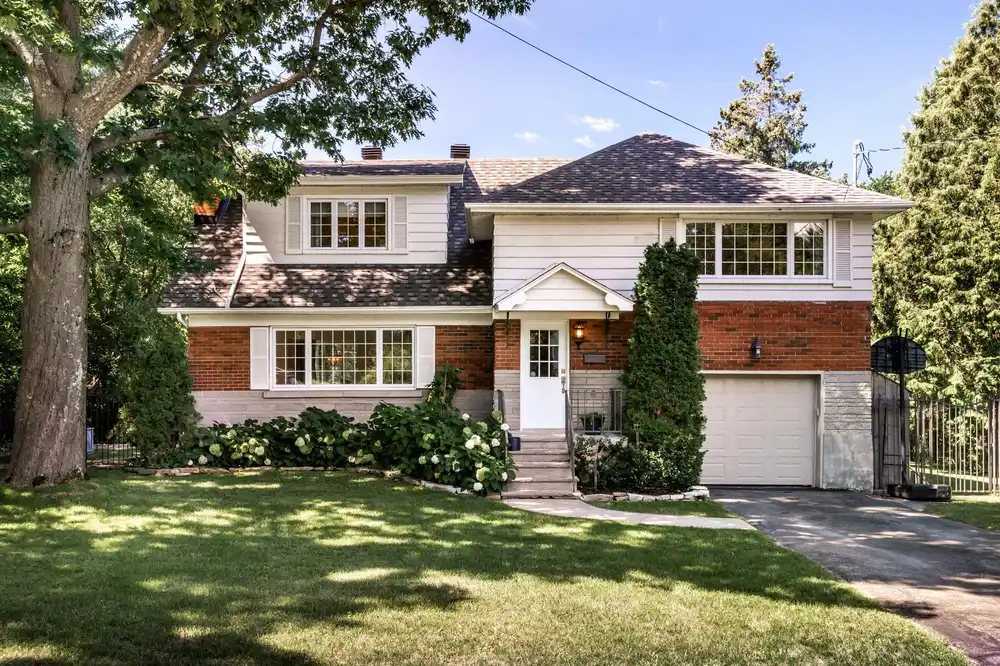
Vancouver's biggest remodeling generation
Vancouver's housing stock has a bulge in it. ESRI's 2024 estimates, published in Greater Portland Inc.'s community profile, count 15,278 Vancouver homes built between 1970 and 1979, the single largest decade in the city's inventory, with another 9,758 from the 1980s. These houses are now 45 to 55 years old, which is exactly the age when kitchens, bathrooms, siding and systems all come due at once. If you own one, in Cascade Park, Orchards, the Heights or anywhere in between, here is what our trades expect to find when the walls open, and how a good plan prices it before demolition day instead of after.
Electrical: the aluminum question
Homes wired in the late 1960s through the mid 1970s sometimes carry aluminum branch-circuit wiring. Aluminum is not automatically dangerous, but it expands, contracts and oxidizes differently than copper, so it demands properly rated devices and connections. A remodel that already opens walls is the cheapest moment you will ever have to remediate or replace affected circuits. Panel capacity is the other 1970s electrical conversation: a 100-amp panel that was generous in 1974 meets a very different house once you add a heat pump, an induction range and an EV charger. Electrical work is permitted and inspected by the City of Vancouver inside city limits and by Washington L&I in unincorporated Clark County, a split most homeowners learn about from us; the details live in our permit guide.
Ceilings: test before you scrape
The popcorn ceiling is the signature 1970s finish, and texture applied before the 1980s can contain asbestos. The rule is simple and not negotiable: a laboratory test of a sample before anyone sands, scrapes or demolishes. A clean test turns ceiling smoothing into ordinary drywall work. A positive test routes the material through proper abatement first. Either way, finding out on purpose costs a little; finding out by accident costs a lot.
Windows, envelope and the energy math
Original single-pane aluminum-frame windows are heat leaks with latches, and Vancouver's heating-season climate makes them expensive to keep. Replacement pays back better here than in most of the country: wood window replacement recouped 87.3 percent of its cost at resale in the Pacific region per the 2025 Cost vs. Value report (© 2025 Zonda Media, www.costvsvalue.com), against 70.1 percent nationally. Siding tells the same story: fiber-cement siding replacement recouped 130.4 percent in the Pacific region, the kind of number that turns an exterior refresh from an expense into an investment. Our siding and windows page covers the options for this climate.
Layout: the wall between you and 2026
The 1970s floor plan boxes the kitchen away from the living space, and opening that wall is the single most requested change in the era's remodels. Sometimes the wall is load-bearing, which does not mean no; it means a beam, engineering, and a permit, all of which are routine for a whole-home remodel and all of which belong in the written scope before work starts, not in a change order after.
Plumbing and what the decades did to it
Depending on the year and the plumber, a 1970s house may carry original galvanized supply lines at the end of their service life, or early plastic piping from the era's experiments. A camera inspection and a look at visible runs during the estimate tells us which house you own. Replacing tired supply lines while a bathroom is already open adds modest cost; replacing them after a slab leak adds drywall, flooring and a hotel stay.
Plan the house, not just the room
The pattern in everything above: the expensive surprises in a 1970s remodel are system-level, and they get cheap when they are planned. That is why our estimates on homes of this era start with the panel, the pipes, the envelope and a ceiling test where it applies, then price the beautiful parts on top of a foundation that will carry them. Start with the kitchen cost guide or tell us about your house below.
1970s home questions
Do popcorn ceilings from the 1970s contain asbestos?
They can. Textured ceiling products applied before the 1980s sometimes contain asbestos, and the only way to know is laboratory testing of a sample before anyone disturbs the material. If the test comes back positive, removal is handled under the applicable abatement rules before remodeling proceeds. Budget for the test either way; it is cheap insurance.
Does aluminum wiring have to be replaced during a remodel?
Not always, but it has to be dealt with. Homes wired in the late 1960s and early 1970s sometimes used aluminum branch-circuit wiring, which needs properly rated devices and connections. During a remodel that opens walls, it is often the most cost-effective moment to replace or remediate affected circuits, and the electrical work is permitted and inspected either by the City of Vancouver or by Washington L&I depending on the address.
Is it worth remodeling a 1970s house instead of moving?
The resale math has been favoring remodeling. The Pacific region, which includes Washington, was the top region in the country for remodeling payback in the 2025 Cost vs. Value report, with a midrange minor kitchen remodel recouping 129.1 percent of its cost at resale (© 2025 Zonda Media, Cost vs. Value Report, www.costvsvalue.com). A 1970s house in an established Vancouver neighborhood often has the lot, the trees and the location that new construction cannot offer.
Free in-home estimates
Ready to plan your remodel?
Tell us about your project. The licensed contractor visits, measures, and gives you a written scope and price. No obligation.
- Written pricing
- Permits handled
- Warranty in writing